What Is Conversational Intelligence and Why Does It Matter?
Conversational intelligence goes beyond word choice and sentiment. Learn how behavioral consistency, regulation under pressure, and trust formation define true communication mastery — and why traditional tools miss the mark.

RapportScore.ai Team
Behavioral Science

Beyond Words: What Conversational Intelligence Really Means
Most people think good communication is about choosing the right words. It's not. Conversational intelligence is the ability to create trust, read emotional context, and regulate your own nervous system — all in real time, while someone else is talking.
It's not a personality trait. It's not charisma. It's a measurable, trainable set of behaviors that determine whether the person across from you feels safe enough to tell you what's actually going on.
Traditional communication training focuses on scripts, talk tracks, and objection handling. These are surface-level tools that collapse the moment a conversation goes off-script. Conversational intelligence operates at a deeper level — it's about what happens between the words.
Why Traditional Tools Miss the Mark
Sentiment analysis tools measure whether words sound positive or negative. Call recording platforms track talk-to-listen ratios and keyword mentions. These metrics feel scientific, but they measure the wrong things.
A salesperson can have a perfect talk-to-listen ratio and still lose the deal because they failed to notice the buyer's energy shift after the pricing slide. A manager can use all the right words in a performance review and still leave their employee feeling dismissed.
The gap between what we say and what the other person experiences is where conversational intelligence lives. And until recently, there was no way to measure it.
The Three Pillars of Conversational Intelligence
RapportScore's methodology is built on three core pillars that define conversational mastery:
Behavioral Consistency — Can you show up the same way across different contexts? The person who's warm in a pitch but cold in a debrief doesn't have conversational intelligence — they have a performance.
Regulation Under Pressure — When stakes are high and emotions run hot, do you escalate or stabilize? Your nervous system's response in difficult conversations determines whether you build trust or destroy it.
Trust Formation — Trust isn't built through words. It's built through micro-behaviors: pacing, acknowledgment, the quality of your silence, and whether the other person feels genuinely heard before you respond.
How Conversational Intelligence Impacts Every Domain
In sales, reps with high conversational intelligence don't just close more deals — they close better deals. They uncover the real objection instead of the stated one. They build relationships that generate referrals, not just transactions.
In leadership, managers with conversational intelligence retain talent. Their teams report higher psychological safety, share bad news earlier, and solve problems faster.
At home, conversational intelligence is the difference between a fight and a conversation. It's what allows a parent to hear what their teenager is actually saying underneath the eye roll.
These aren't different skills. They're the same skill, applied in different rooms.
Measuring What Matters
RapportScore is the first platform to measure conversational intelligence through observable behavior rather than self-reported assessments. By analyzing real conversations — uploaded transcripts, Zoom recordings, and AI roleplay sessions — the platform scores your actual behavioral patterns.
This isn't a personality test. It's a behavioral mirror. And the difference between what you think you do in conversations and what you actually do is where the growth happens.
The 6-belt progression system tracks your development over time, ensuring that improvement isn't a one-time performance but a sustained behavioral shift.
Frequently Asked Questions
What is conversational intelligence?
Conversational intelligence is the ability to create trust, read emotional context, and regulate your own behavior in real-time during conversations. It goes beyond word choice to include behavioral consistency, nervous system regulation, and genuine trust formation.
How is conversational intelligence different from emotional intelligence?
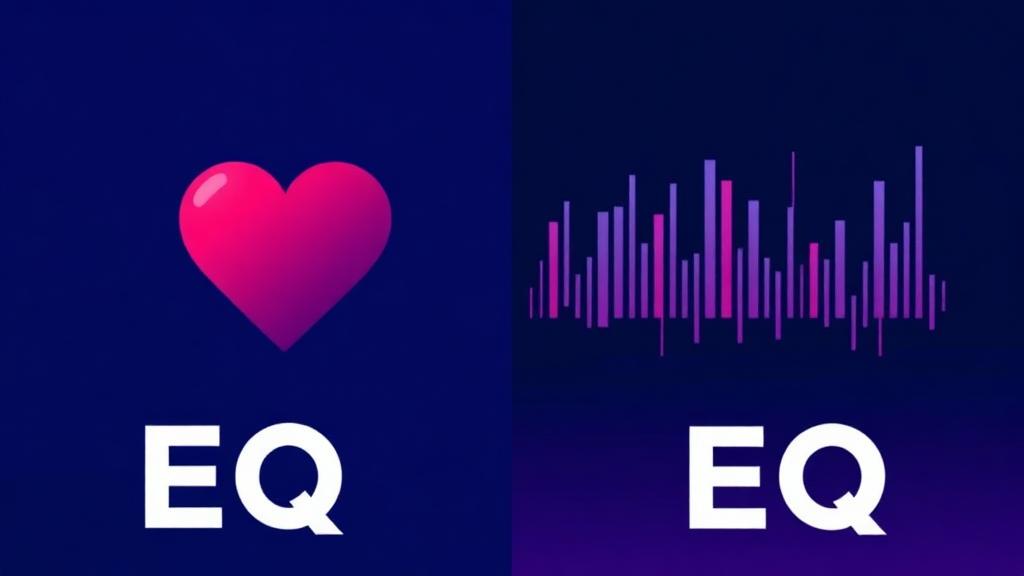
Emotional intelligence (EQ) is typically measured through self-reported assessments — how you think you behave. Conversational intelligence measures what you actually do in real conversations through observable behavioral patterns.
Can conversational intelligence be learned?
Yes. Conversational intelligence is a trainable set of behaviors, not a fixed personality trait. RapportScore's 6-belt system provides a structured progression from foundational presence through advanced conversation design.
Why do traditional communication tools fall short?
Traditional tools measure surface-level metrics like sentiment, talk ratios, and keyword usage. They miss the behavioral patterns — pacing, acknowledgment quality, regulation under pressure — that actually determine whether someone trusts you.